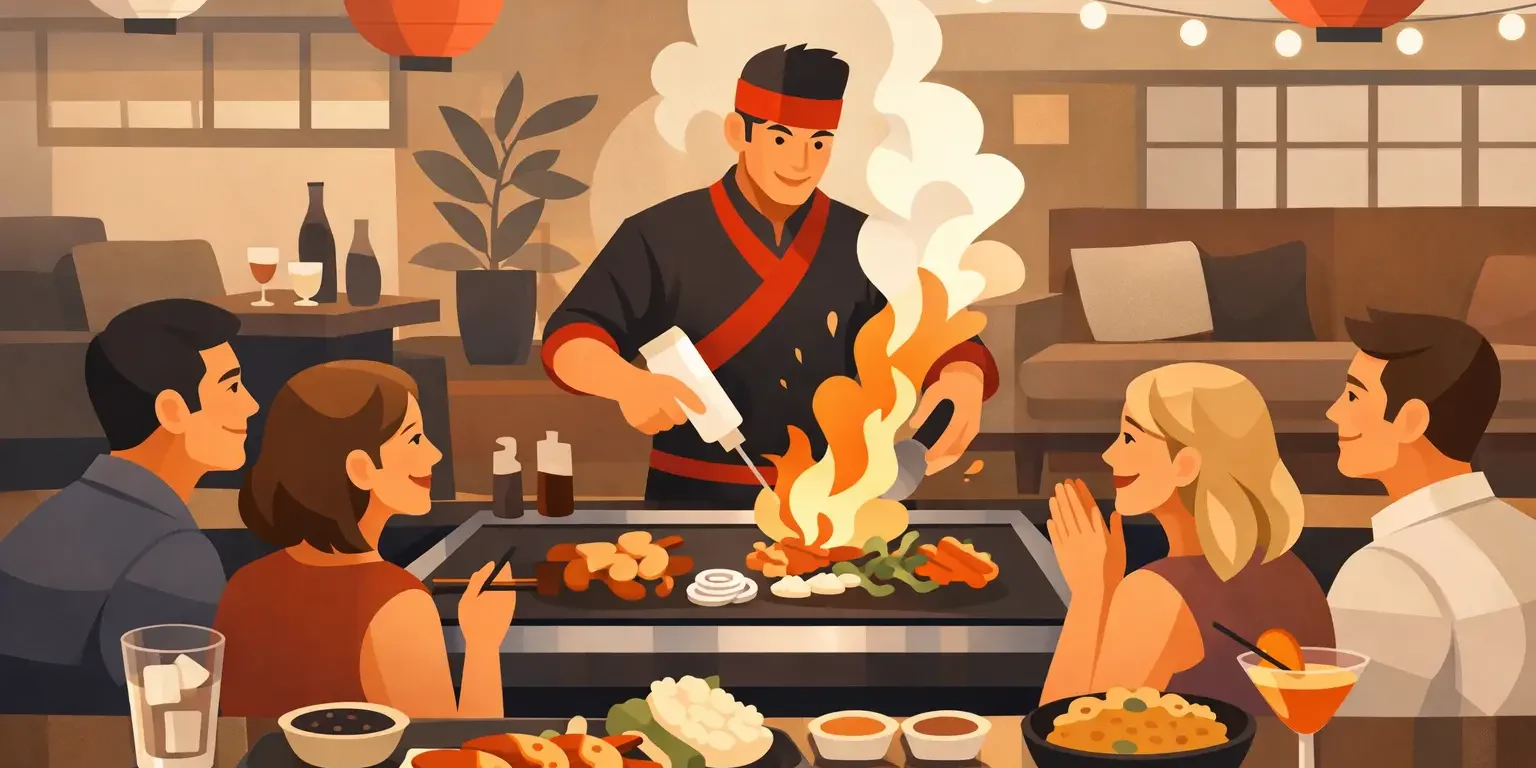
A hibachi party has a way of turning dinner into the main event. The sizzle of fried rice, a chef flipping shrimp, and your guests gathered around the grill can make a birthday, family celebration, or ladies’ night feel far more special than a standard catered meal. But before you start picking proteins and sending invitations, learning how to plan indoor hibachi starts with one essential question: can the cooking setup safely operate inside your venue?
For many private hibachi experiences, the answer is no. Mobile teppanyaki grills often use propane, open flames, high heat, and cooking oil, which generally require outdoor operation with plenty of clearance and ventilation. That does not mean you have to give up on hosting during colder months or when indoor seating is your preference. It means planning the right layout, confirming the chef’s requirements early, and creating an experience that keeps the fun front and center.
Start With the Indoor Hibachi Safety Plan
The biggest mistake hosts make is assuming a mobile hibachi grill can be rolled into a dining room, basement, garage, or enclosed porch. A professional hibachi provider should always confirm where their equipment can safely operate. Never plan to use a propane grill indoors unless the provider specifically confirms that the equipment, ventilation, and venue conditions make it appropriate.
For most home parties, the best setup is outdoor cooking with indoor dining nearby. A patio, driveway, backyard, or open-air deck can give the chef the space needed for the grill, while your home stays available for drinks, appetizers, cake, and comfortable seating. Guests can gather near the chef during the performance, then move indoors if the weather is chilly.
If the goal is truly an indoor event, ask about options designed for commercial indoor kitchens or electric cooking equipment. These options can work in some venues, but they are not interchangeable with a traditional mobile hibachi grill. Your chef or caterer should make the call based on the equipment, local rules, airflow, and available space.
Give the Chef a Clear, Open Work Area
Whether the grill is outside or in an approved indoor venue, leave room for more than the grill itself. The chef needs a stable, level surface, a safe path to bring in equipment, and enough open space around the cooking station for guests to watch without crowding the hot surface.
Move cars, patio furniture, toys, décor, and anything breakable before arrival. If you are hosting on a driveway or patio, sweep the area and check that it is level. Keep pets and young children away from the cooking zone. It is simple preparation, but it makes the setup safer and helps the chef get started on time.
Choose a Guest Count That Feels Social, Not Crowded
Hibachi is made for groups because everyone shares the same live-cooking moment. Still, more guests do not always mean a better party. A smaller group can feel personal and interactive, while a larger party may need staggered seating, multiple cooking rounds, or a buffet-style approach.
Start with the space you actually have. Count dining chairs, not just the number of people you can fit in a room. Guests need room for plates, drinks, conversation, and a clear route through the house. If the cooking station is outside, consider how many people can comfortably watch without blocking the chef’s workspace.
For a birthday or family gathering, one seating may be perfect. For a graduation, engagement party, or larger milestone, plan for a relaxed flow: guests arrive, enjoy drinks and appetizers, watch the chef, eat, and then transition to dessert or games. Giving the event a loose rhythm prevents everyone from trying to stand in the same spot at once.
When requesting a quote, share your expected guest count and ask about minimums, children’s pricing, menu options, and how service works for bigger groups. Clear details upfront make it easier to choose the right package and avoid last-minute surprises.
Build a Menu That Works for Everyone
One reason hibachi parties are so easy to personalize is that guests can usually choose from proteins such as chicken, steak, shrimp, salmon, scallops, tofu, or vegetables. Most hibachi packages also include favorites like salad, grilled vegetables, and fried rice, creating a complete meal without the host coordinating separate trays of food.
Before you finalize your menu, collect dietary information from guests. Ask about food allergies, vegetarian preferences, gluten concerns, shellfish allergies, and children’s meals. Do not assume that removing a protein solves an allergy issue. Cross-contact can happen on a shared grill, so the chef needs advance notice to explain what can reasonably be accommodated.
A smart party menu offers choice without becoming complicated. Two or three protein selections are usually plenty for a typical group. If your guests love variety, add a premium protein or a second option as an upgrade rather than creating a long list that slows down ordering and cooking.
Think about the full party, too. Hibachi is a hearty main meal, so appetizers should be light and easy to share. A simple snack table, drinks, and a birthday cake or dessert are often enough. You want guests hungry for the chef’s show, not full before the fried rice hits the grill.
Set the Timing Around the Chef Experience
A live hibachi chef is both dinner and entertainment, so build the schedule around that moment. For an evening party, invite guests 30 to 45 minutes before the scheduled cook time. That gives everyone a chance to arrive, settle in, grab a drink, and meet each other before the cooking begins.
Avoid scheduling the chef for the exact same time guests are invited. Late arrivals happen, especially for weekend parties. If the show starts after most guests are there, everyone gets the experience you are paying for and the chef can serve the group more efficiently.
Plan dessert after dinner rather than trying to squeeze it in beforehand. Cake, a toast, gifts, or speeches work well once plates are cleared and guests are relaxed. If you are hosting children, have a small activity ready for the short setup period, but keep the main focus on the chef once cooking starts.
Plan for Weather Even When Guests Eat Indoors
If the grill will be outside, weather is part of the event plan. Check the forecast a few days ahead and think beyond rain. Wind, cold temperatures, extreme heat, and wet ground can affect comfort and equipment placement.
A covered outdoor area may help in light weather, but it must still have adequate open-air ventilation and clearance. Do not move the grill into an enclosed garage, tent, sunroom, or screened space as a quick backup plan. Instead, ask your provider what weather conditions they can safely work in and what rescheduling or alternate arrangements may be available.
For cooler dates, make the guest experience comfortable with indoor seating, warm drinks, and a clear path between the house and cooking area. Your guests may only spend part of the evening outside, but they will remember whether the transition felt easy.
Make the Setup Easy on Event Day
The best hosts do not spend the party managing logistics. Before the chef arrives, clear the cooking area, secure pets, make sure the access route is open, and have your guest count and menu choices confirmed. Keep your phone nearby in case the provider needs help locating the house or checking a setup detail.
Inside, set up drinks, plates, napkins, and a spot for coats before guests arrive. If you are using disposable tableware, choose sturdy plates and forks that can handle rice, vegetables, and protein. If you are serving alcohol, create a separate drink station away from the cooking area so there is less traffic around the chef.
You do not need to overdecorate. A clean table, festive napkins, a birthday banner, or a simple color theme can make the room feel party-ready. The live cooking is the entertainment and visual centerpiece.
Confirm These Details Before You Book
A quick conversation with your hibachi provider can answer the questions that matter most. Confirm the cooking location, the required setup space, expected arrival time, party minimum, menu inclusions, dietary accommodations, payment schedule, gratuity expectations, and weather policy. If your venue has an HOA, apartment management team, or rental agreement, check any rules about outdoor cooking, noise, parking, and guest limits as well.
For hosts in New Jersey and surrounding service areas, Parties by Feng can help turn those details into a chef-led celebration built around your group, menu, and event space. The earlier you reserve your date, the more options you are likely to have for popular weekends and holidays.
A well-planned indoor hibachi party does not depend on fitting a grill into your kitchen. It depends on giving the chef a safe place to cook, giving guests room to enjoy the show, and leaving yourself free to celebrate right alongside them.