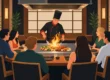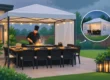

The best part of a hibachi dinner party at home is that dinner is not stuck in the kitchen while everyone else has fun. The cooking happens right in front of your guests, the energy stays high, and you get a party that feels much bigger than the effort you put into planning it. For birthdays, family gatherings, ladies’ nights, and backyard celebrations, it hits that sweet spot between great food and real entertainment.
If you have ever hosted a group and felt torn between ordering trays, cooking yourself, or making restaurant reservations for a crowd, hibachi solves a lot of that fast. Guests get a live chef experience, everyone can choose the proteins they want, and the event has a built-in focal point. That matters because the hardest part of hosting is usually keeping things easy for you while making it memorable for everyone else.
Why a hibachi dinner party at home works so well
A lot of at-home parties start strong and then flatten out once food service begins. Traditional catering can be convenient, but it often turns dinner into a line and a tray table. A restaurant reservation brings energy, but you lose privacy, flexibility, and the comfort of being in your own space.
Hibachi is different because the meal is the entertainment. Guests are not waiting around for the party to start. It starts when the chef sets up. The grill, the cooking tricks, the interaction, and the fresh food all become part of the event itself.
For hosts, the biggest win is simplicity. Instead of coordinating menu prep, cooking times, serving dishes, and cleanup around your house, you are planning around one central experience. That is a big reason this format works so well for home celebrations with 12 to 50 or more guests.
What you actually need to host one
The good news is you do not need a huge property or a complicated setup. Most hibachi parties work best in a backyard, patio, driveway, or other outdoor area with enough room for the chef, grill, guest seating, and safe clearance around the cooking station. If you are picturing a major event production, it is usually much more straightforward than that.
The main thing to think about is space. You want guests seated comfortably around the grill area, with enough room for the chef to work and for people to move around without crowding. If your party is larger, you may need multiple tables, staggered seatings, or a buffet-style setup depending on the service option.
Weather is the other factor. Since many in-home hibachi events are outdoors, it helps to have a backup plan if rain is possible. That might mean a tent, covered patio, or flexible date if you are planning far in advance. This is one of those it-depends details that is easier to sort out before invites go out.
Guest count matters more than fancy decor
Hosts often spend too much time worrying about decorations and not enough time thinking about guest flow. For a hibachi party, your guest count shapes almost everything – pricing, setup, timing, and the best service style.
A smaller group usually feels more interactive because everyone is close to the grill and part of the action. A bigger group can be just as fun, but it may make more sense to ask about buffet options, add-ons, or how multiple rounds of service will work. The point is not to force every party into the same setup. The best experience usually comes from matching the format to the size of your event.
What is typically included in a hibachi party package
This is one reason people love booking private hibachi. The pricing structure is usually simple and easy to understand compared with piecing together a custom catering menu from scratch.
Most per-person packages include the basics guests expect from a full hibachi meal – salad, vegetables, fried rice, and a choice of proteins. That makes planning easier because you are not building a menu one side dish at a time. Guests still get customization, but the host does not have to manage a dozen moving parts.
If you are hosting families, child pricing can make a big difference. If you are planning a milestone event or a larger backyard party, add-ons can help you make it feel more elevated without overcomplicating the order. Some groups want the standard dinner and show. Others want extras and more variety. Both can work well, depending on the vibe and budget.
How to think about pricing
When people compare hibachi with restaurant dining or standard catering, they sometimes only look at food cost. That misses the point. With a hibachi dinner party at home, you are paying for food, chef service, live cooking, guest interaction, and the convenience of having the experience brought to you.
That can be a strong value, especially for birthdays, anniversary parties, graduation celebrations, and adult social gatherings where entertainment would otherwise be a separate expense. Transparent package pricing also helps hosts make decisions faster. You know what is included, what the guest minimum is, and what upgrades are available.
Weekday deals or pricing for certain party sizes can also make a difference if your event date is flexible. If you are trying to stay on budget, that is worth asking about early.
How to make the party feel smooth from start to finish
The easiest hibachi parties are the ones where the host keeps everything around the chef experience simple. You do not need a packed schedule. In fact, too much programming can work against you.
Let the meal be the centerpiece. Have drinks ready before the chef starts, make sure seating is clear, and think through basic logistics like lighting if the party runs into the evening. If guests are arriving in waves, give them a clear place to gather so the chef setup area stays open.
Music helps, but keep it at a level where guests can still enjoy the interaction during the cooking. Hibachi is social by nature, and you do not want to compete with the best part of the experience.
A few hosting mistakes to avoid
One common mistake is underestimating the space needed around the grill. Another is inviting far more people than the seating plan comfortably supports. Guests do not need luxury rentals, but they do need to feel like they have a real place in the experience.
Another issue is overcomplicating the menu. The appeal of hibachi is that it already gives guests variety. If you try to build a huge separate food spread on top of it, you can end up spending more money and creating more work without improving the event.
And finally, do not leave booking too late if your date matters. Popular weekends fill quickly, especially in spring, summer, and early fall when backyard parties are at their peak.
Who this kind of party is best for
A hibachi event works especially well for hosts who want something more exciting than drop-off catering but easier than cooking for a crowd. It is ideal for milestone birthdays, family celebrations, bachelorette-style gatherings, neighborhood get-togethers, and graduation parties. It also works well when your guest list includes mixed ages because the format is entertaining without being complicated.
That said, it may not be the right fit for every event. If you want a formal plated dinner with a quiet atmosphere, hibachi is probably too lively. If your space is extremely limited or outdoor setup is not realistic, you may need a different catering style. Knowing that upfront helps you choose the right experience instead of forcing the wrong one.
Booking a hibachi dinner party at home
The fastest path to a great event is working with a company that makes the process clear. You should be able to get straight answers on guest minimums, package pricing, menu options, setup needs, and service areas without chasing details.
That convenience is a big part of the appeal. A company like Parties by Feng brings the grill, the chef, and the experience to you, which takes a lot of pressure off the host. Instead of juggling multiple vendors and trying to invent the evening from scratch, you are booking a proven format that already works.
When you reach out, be ready with your date, approximate guest count, location, and whether you want a more intimate dinner or a larger party setup. That makes it easier to get accurate pricing and recommendations that actually fit your event.
If you want a party that feels lively, easy, and worth talking about the next day, this is one of the smartest ways to bring people together without turning your house into a full-time event venue.