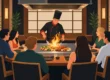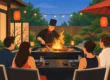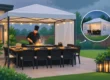
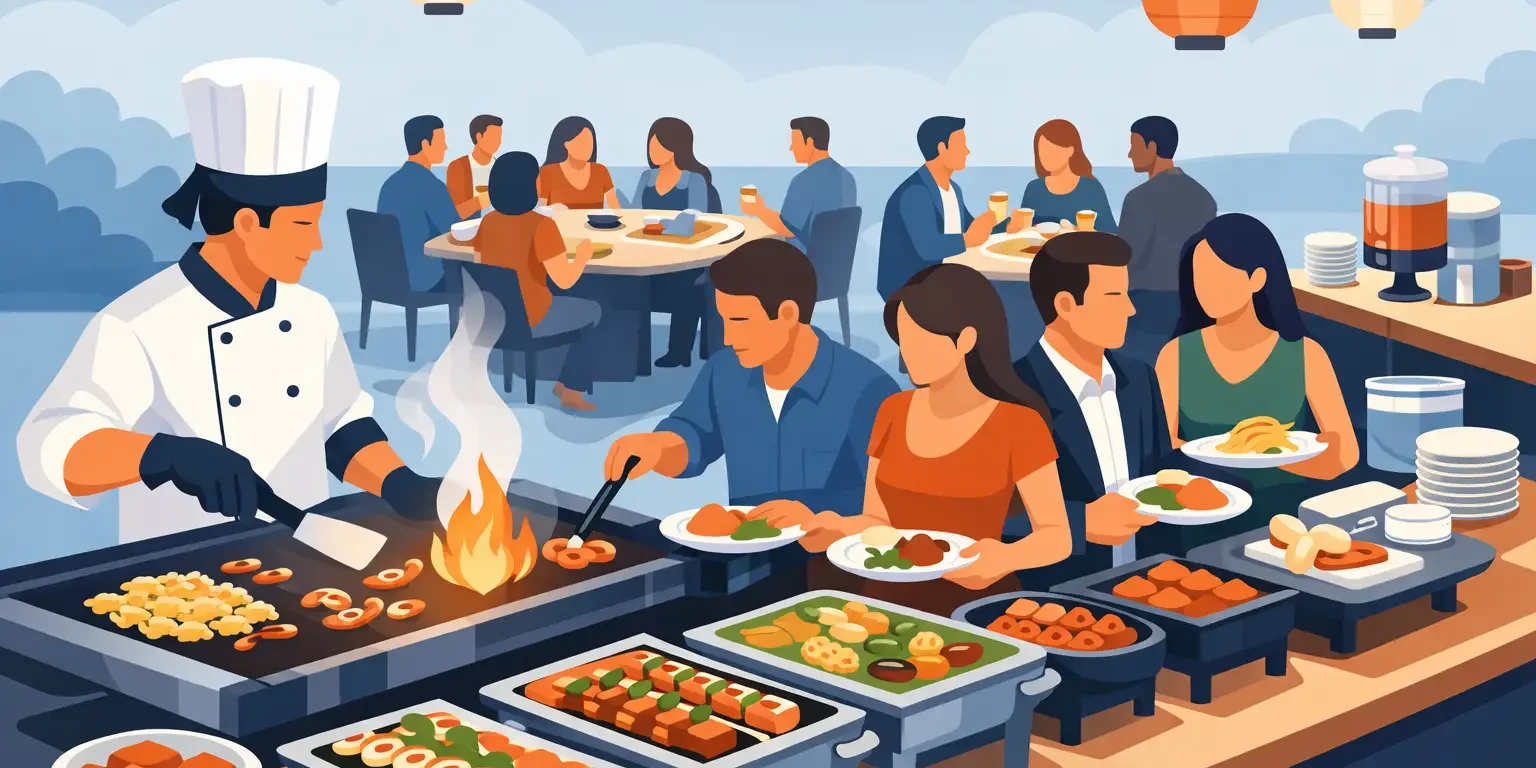
When you are feeding 20, 30, or 50 people, the food choice can make or break the entire event. A large group hibachi buffet works so well because it solves the two biggest hosting problems at once – keeping guests well fed and giving them something fun to gather around.
That matters more than people think. At most home parties, food is either convenient but forgettable, or impressive but hard to manage. Hibachi buffet service lands in the sweet spot. Guests get the flavors they actually want, hosts get a simpler setup than traditional full-service catering, and the event feels more interactive than a standard buffet line parked in the corner.
Why a large group hibachi buffet works for parties
For bigger birthdays, family celebrations, graduation parties, ladies’ nights, and backyard gatherings, people usually want three things: enough food, flexible choices, and a setup that does not turn the host into unpaid staff. That is exactly where a large group hibachi buffet makes sense.
Instead of asking every guest to sit at a restaurant table and order on a fixed timeline, buffet-style hibachi gives the party more breathing room. People can mingle, grab food when they are ready, and still enjoy the live-cooked feel that makes hibachi special. It is especially useful when your guest list includes kids, older relatives, late arrivals, or people who prefer different proteins.
There is also a practical side. Large groups can be harder to serve in individual plated formats, especially at home. Buffet service often keeps things moving better, uses space more efficiently, and helps avoid the bottleneck of serving one person at a time. If your goal is a fun private event without restaurant-level coordination, buffet hibachi is a strong fit.
What guests usually get with a hibachi buffet
The reason hibachi works so well for groups is that the menu is familiar, flexible, and easy to enjoy. Most guests already know what to expect and are happy with it. A typical setup includes salad, vegetables, fried rice, and a choice of proteins such as chicken, steak, shrimp, or salmon, depending on the package.
That combination covers a lot of ground without overcomplicating the party. Guests feel like they are getting a full meal, not just random catering trays. At the same time, hosts do not have to build an oversized menu just to please a crowd.
Customization is another big advantage. Some groups want premium proteins added in. Others need child pricing, lighter portions for younger guests, or buffet service because their headcount is too large for a standard chef-around-the-grill format. The right setup depends on your event size, space, and budget. Bigger is not always better if it adds complexity you do not need.
Buffet style vs. traditional seated hibachi
A lot of hosts start by picturing the classic full hibachi-table experience with everyone watching the chef at once. That can be great for smaller gatherings where the show is the center of the night. But once your group gets larger, buffet style often becomes the smarter option.
With seated hibachi service, timing matters more. Guests typically eat in a more structured window, and the setup needs enough seating around the cooking area to keep the experience smooth. For a party of 12 to 20, that can be ideal. For 30 or more, it depends on your layout and how formal you want the flow to feel.
A large group hibachi buffet is usually better when your party is spread out across a backyard, patio, clubhouse, or event space. It keeps the chef experience in the mix while giving guests more freedom. People can talk, move around, refill plates, and enjoy the event without waiting on a single service rhythm.
Neither format is automatically better. If your priority is a close-up chef performance for every guest at once, seated hibachi may win. If your priority is flexibility, easier service, and feeding a larger crowd efficiently, buffet style usually comes out ahead.
What hosts should ask before booking
The smartest bookings happen when the host asks the right questions early. Start with guest count. A company needs a clear estimate to recommend whether buffet service is the best fit and how much food to prepare.
Next, ask about what is included in the per-person package. Some services include the core meal components and let you add upgraded proteins or extras. Others build different buffet packages based on party size. Transparent pricing matters here because it helps you understand the total cost before the event gets too close.
You should also ask about setup requirements. Mobile hibachi catering is convenient, but the chef still needs a workable cooking area. That usually means enough outdoor or approved event space for the grill, safe clearance, and a layout that lets guests move comfortably between the cooking area and buffet setup.
Timing is another detail that matters. Ask when the team arrives, how long setup takes, when service starts, and how cleanup works. Bigger groups need a little more coordination, and a good catering company should explain that process in plain language.
Space, flow, and guest experience
One thing hosts often underestimate is how much party flow affects the overall vibe. Great food helps, but guests also need room to gather, watch, chat, and eat without traffic jams. With a hibachi buffet, the setup should feel natural, not crowded.
In a backyard party, that usually means keeping the grill area visible enough for entertainment while placing the buffet line where guests can access it without blocking the chef. If the event includes kids, drinks, desserts, or a DJ, those elements should have their own space too. You do not need a huge property, but you do need a plan.
This is one reason private hibachi works so well for home events. The service comes to you, which cuts down on transportation headaches and keeps the celebration in your own space. For many hosts, that convenience is half the appeal. You get restaurant-style food and chef energy without moving a large group across town.
Budgeting for a large group hibachi buffet
Most people do not just want a fun party. They want a fun party that makes financial sense. Buffet service can be a smart value for larger events because it balances entertainment with practical service.
Per-person pricing makes budgeting easier. You can estimate the food portion of the event quickly, then decide whether to add premium proteins, appetizers, kids’ meals, or weekday promotional options if available. That is much easier than piecing together rentals, restaurant reservations, and separate entertainment.
Still, it helps to be realistic. If you want a premium menu, a high guest count, and a peak weekend date, the cost will reflect that. If your date is flexible or your group fits a promotional size range, you may have more room to work with. The best choice depends on what matters most – lower cost, broader menu variety, or a stronger chef-show element.
When hibachi buffet is the best fit
A large group hibachi buffet is usually the right move when your event is social, casual-to-upscale, and centered around easy fun. It is a great match for milestone birthdays, graduation parties, anniversaries, holiday get-togethers, and family reunions where people want better food than standard catering but still want freedom to move around.
It is also a strong choice for hosts who want something memorable without overmanaging every detail. That is where a service like Parties by Feng stands out. The appeal is simple: the chef comes to you, the pricing is package-based, and the experience feels special without turning planning into a second job.
The format may be less ideal if your event is extremely formal, your venue has tight cooking restrictions, or your group expects a sit-down dinner with full table service. But for most private celebrations at home or on location, buffet hibachi hits the sweet spot between entertainment, convenience, and crowd-friendly service.
How to make the night feel easy from start to finish
The best host move is not doing more. It is making a few good decisions early. Confirm your guest count, pick a package that fits your crowd, understand the space requirements, and communicate arrival timing clearly. Once those basics are handled, the event tends to run much more smoothly.
It also helps to think about your guests, not just the menu. Where will people gather before eating? Will kids need to be served first? Do you want the buffet open all at once or after a short chef performance? These are small details, but they shape how relaxed the party feels.
A great party is not about stuffing the schedule. It is about creating a setup where people can show up, eat well, laugh a lot, and stay longer than they planned. That is exactly why hibachi works so well for bigger celebrations – it gives people a reason to gather and makes the host’s job easier at the same time.