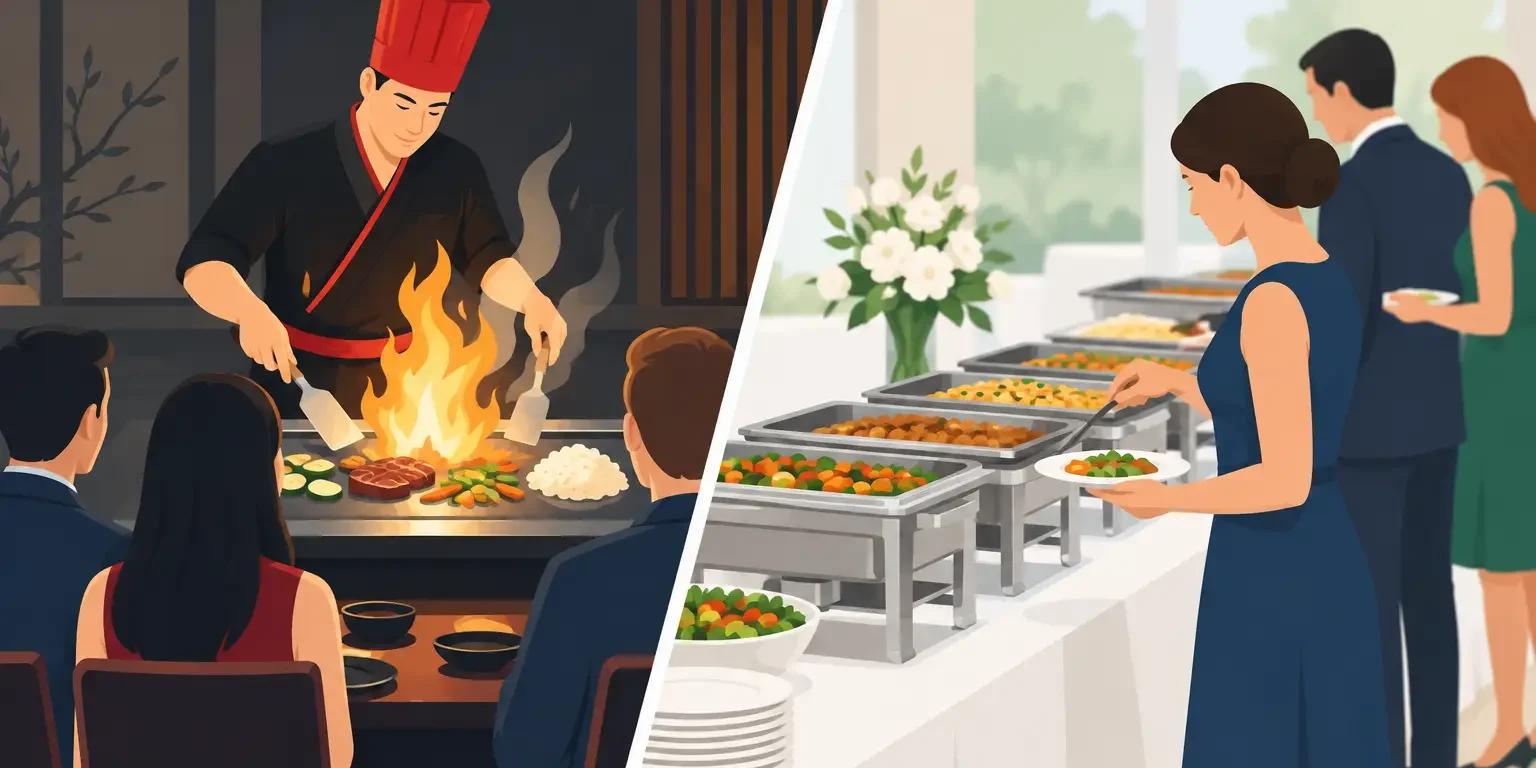
Your guests have arrived, the drinks are poured, and then dinner becomes the main event instead of a line at a buffet table. That is the biggest difference in hibachi versus traditional catering. Both can feed a crowd, but they create very different kinds of parties – especially when you are hosting at home.
Traditional catering is a dependable choice when you need familiar food delivered or staffed for a large event. Mobile hibachi catering brings the grill, the chef, the fried rice, and the show right to your backyard or event space. The right choice comes down to your guest count, location, budget, and the feeling you want people to remember.
Hibachi Versus Traditional Catering: The Real Difference
With traditional catering, food is usually prepared before the event and served as drop-off trays, a buffet, plated meals, or passed appetizers. It is designed to make feeding guests efficient. Depending on the caterer and package, staff may set up, replenish food, serve, and clean up.
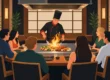
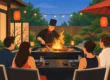
Hibachi catering is built around live cooking. A chef arrives with a portable grill and prepares the meal in front of your guests. The experience includes the sounds, aromas, chef interaction, and those crowd-pleasing moments that get everyone pulling out their phones. Dinner is not just served. It is performed.
That distinction matters for birthdays, graduation parties, family reunions, ladies’ nights, and milestone celebrations. If your goal is simply to provide a meal, traditional catering may be all you need. If you want food to give the party its energy, hibachi has a clear advantage.
What Your Guests Actually Experience
A traditional buffet gives guests freedom. They can grab a plate when they are ready, return for seconds, and keep conversations moving. It works particularly well for open-house events, corporate gatherings, or receptions where people arrive and leave at different times.
The trade-off is that a buffet can fade into the background. Guests may compliment the food, but it does not automatically create a shared moment. Hosts often need separate entertainment, music, games, or activities to keep the atmosphere going.
At an in-home hibachi party, guests gather around the grill and experience dinner together. The chef cooks proteins, vegetables, and fried rice live while bringing personality to the table. It gives groups a natural focal point and helps guests who do not know one another start talking. For a birthday or a close-knit celebration, that shared experience can be more valuable than a wider menu.
Hibachi also feels personal. Guests can often choose from available proteins and enjoy a meal made right in front of them. That restaurant-style excitement is hard to duplicate with pans of food set out on a table.
Pricing: Compare the Full Event, Not Just the Plate
Hosts often assume traditional catering is always less expensive because it can be ordered by the tray. Sometimes that is true, especially for a casual event with a large guest count and no need for service. Drop-off catering can be a practical, budget-friendly way to feed people.
But the price comparison changes when you add what your event needs. A traditional caterer may charge separately for delivery, setup, serving staff, chafing dishes, rentals, gratuity, and cleanup. You may also need to arrange entertainment on your own if you want the party to feel more active.
Hibachi packages are generally priced per person and are easier to understand from the start. A typical package can include salad, vegetables, fried rice, and your selected proteins, with upgrades and add-ons available for groups that want more options. The chef, grill, cooking, and entertainment are all part of the same experience.
That does not mean hibachi is the best fit for every budget. It usually has a group minimum, and it is designed for a planned meal service rather than a grab-and-go crowd. Still, for hosts who would otherwise pay for both catering and entertainment, a mobile hibachi experience can deliver strong value in one booking.
Setup and Planning: Which Is Easier at Home?
Traditional catering can be wonderfully simple if you have a kitchen counter, serving table, and guests who are happy to serve themselves. It is also flexible for indoor events where outdoor space is limited. But someone still needs to decide where food goes, how it stays warm, when it comes out, and what happens to leftovers.
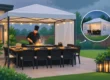
A hibachi party needs a suitable outdoor setup area for the grill and seating. Before booking, hosts should think about access to the backyard or event space, a level location for the chef’s setup, enough room for guests to sit comfortably, and the weather plan. Those details are straightforward, but they matter.
Once the chef arrives, the host has far less food management to handle. There is no need to cook, monitor trays, or figure out how to keep dinner interesting while it is being served. Parties by Feng brings the grill and handles the live cooking, so you can spend more time greeting guests instead of working behind the scenes.
For a backyard event, hibachi is especially convenient because the cooking stays outside. Your home avoids the heat, smoke, and kitchen cleanup of preparing a large meal yourself. You provide the space and the guests. The chef brings the action.
Menu Flexibility and Dietary Needs
Traditional catering has an edge when your group needs a very broad menu. You can order several cuisines, offer many side dishes, and set up vegetarian, vegan, gluten-conscious, or kid-friendly trays separately. For an event with highly varied dietary needs, this can be the easiest route.
Hibachi menus are more focused, which many party hosts appreciate. Guests know what the meal includes and can select from protein options. Chicken, steak, shrimp, salmon, tofu, and combinations can give a group variety without making the order complicated. Children can often be accommodated with child pricing and simpler portions.
The key is to share allergies and dietary restrictions before the event. Live cooking creates a fun, fast-moving service, but ingredient and cross-contact questions should never be left until the chef is already at the grill. A good caterer will explain available options and help you choose a menu that works for your group.
When Traditional Catering Is the Better Choice
Hibachi is not automatically the answer for every event. Traditional catering is often the smarter option when the schedule is loose, guests will be circulating for hours, or you need food available in waves. It can also make more sense for very large gatherings where one live cooking station would not match the pace of the event.
A formal wedding reception, a business luncheon with a strict agenda, or a community event with guests arriving all afternoon may benefit from buffet or staffed catering. The food can be ready when people are ready, without asking everyone to sit down at the same time.
Traditional catering is also useful when the venue does not allow outdoor cooking or does not have room for a mobile grill. In those cases, convenience means choosing the format that fits the space, not forcing an experience that will feel cramped.
When Hibachi Is Worth Booking
Choose hibachi when the party itself is the point. It is ideal for groups that want to gather around one table, celebrate together, and get more from dinner than a plate of food. It works beautifully for backyard birthdays, engagement celebrations, anniversaries, family get-togethers, and friend groups looking for a night that feels special without leaving home.
It is also a strong choice for hosts who want a clear plan. You can choose your package, confirm your guest count, select proteins and add-ons, prepare the space, and let the chef lead the meal. There is less guessing about what will keep everyone engaged.
The best question is not, “Which catering style is better?” Ask, “What do I want my guests to talk about tomorrow?” If the answer is a lively chef, sizzling fried rice, great food, and a backyard celebration that felt like a night out, hibachi may be the party plan that makes hosting easy and memorable.