A private hibachi party changes the usual hosting job. Instead of standing over the stove, coordinating takeout, or refilling buffet trays, you get to be part of the celebration while a chef cooks dinner live in front of your guests. If you are wondering what to expect from hibachi at home, expect great food, plenty of interaction, and a setup that feels like your favorite restaurant experience brought right to your backyard, patio, driveway, or event space.
For birthdays, family celebrations, ladies’ nights, graduation parties, and milestone gatherings, hibachi works because dinner is not just served – it is part of the fun. Here is how the experience typically comes together and what you can do to make the most of it.
What to Expect From Hibachi at Home
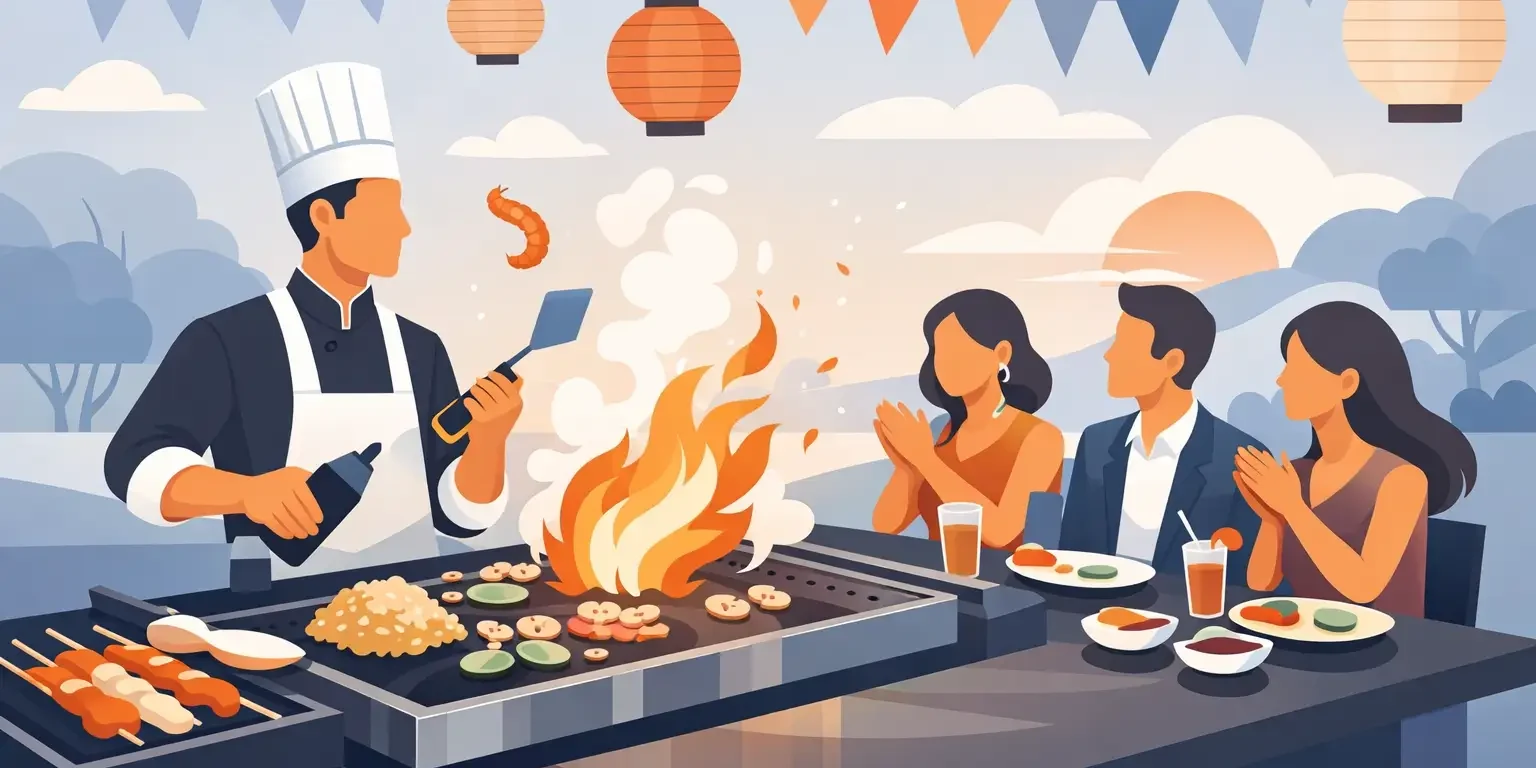
The biggest difference between restaurant hibachi and private hibachi is simple: the chef comes to you. A mobile hibachi chef arrives with a flat-top grill, cooking equipment, food, and the energy to get your group involved. Your guests gather around the grill while the chef prepares each part of the meal fresh.
There will be sizzling vegetables, fried rice on the grill, protein cooked to order, and the familiar hibachi moments people look forward to. Depending on the chef and party style, that can include fun call-and-response, food tosses, fire effects, jokes, and a few photo-worthy cooking tricks. It is lively without requiring you to plan entertainment separately.
The exact show can vary by chef, guest age, space, and comfort level. A group of close friends celebrating a 30th birthday may want a high-energy experience, while a multigenerational family party may prefer the chef to keep the performance more relaxed. Let your caterer know the occasion and the vibe you want before the event.
Your Chef Brings the Restaurant Experience
A good mobile hibachi service is designed to keep hosting simple. The chef generally brings the grill, cooking tools, ingredients, and the supplies needed to prepare the meal on-site. You do not need a full restaurant kitchen or culinary equipment waiting at home.
What you usually do need is an appropriate outdoor area or approved event location with enough room for the grill, chef, and guest seating. A flat, open surface is ideal. Backyards, patios, driveways, and outdoor community spaces are popular choices, as long as there is enough clearance and safe access for setup.
Before booking, confirm the practical details: where the grill will go, how many guests are attending, whether there are stairs or narrow gates, and whether your location has any rules about outdoor cooking. If you are planning at a venue rather than home, check its catering and fire-safety policies early. A quick conversation before the party prevents last-minute scrambling.
Weather is part of the plan
Because live hibachi is commonly set up outdoors, weather matters. Light wind or a chilly evening may be manageable with the right space and guest preparation, but heavy rain, unsafe wind, or extreme conditions can affect the event. Ask about the rain plan when you book instead of assuming a tent or covered patio will always work.
If you are hosting in New Jersey or another Northeast market during spring or fall, encourage guests to bring a layer. A warm drink station, patio heaters where permitted, or an earlier dinner time can make the whole experience more comfortable.
The Meal Usually Comes in Courses
One reason hibachi is easy for groups is that the meal has a familiar structure. Packages commonly include a salad, hibachi vegetables, fried rice, and a choice of proteins. Guests may choose chicken, steak, shrimp, salmon, tofu, or other available options, depending on the menu you select.
The chef often begins with the shared elements, then cooks proteins and customizes plates as the meal progresses. This keeps the group together while still giving guests some choice. It also feels more personal than a standard buffet line, especially when everyone has different preferences.
Ask about menu options before finalizing your guest count. If your group includes vegetarians, guests with allergies, children, or people who do not eat certain proteins, it is best to communicate that ahead of time. Hibachi is flexible, but the chef needs the details in advance to prepare and prevent cross-contact concerns where possible.
For a larger gathering, a buffet-style format may make more sense than individual grill-side seating. For a smaller celebration, everyone around one grill creates that classic, close-up hibachi atmosphere. Neither format is automatically better – it depends on your headcount, available space, and whether you want dinner to feel intimate or more open-house style.
Expect Dinner and Entertainment to Happen Together
At a traditional catered event, food may be served while guests make their own fun. Hibachi keeps everyone gathered around one shared moment. The sounds, aromas, and chef performance naturally give people something to talk about, even if they have just met.
This is especially helpful for parties with mixed groups. Parents, coworkers, relatives, neighbors, and friends do not have to search for conversation starters while waiting for dinner. The grill gives the party an easy center of attention, then guests can continue socializing once they have eaten.
That said, hibachi is interactive by nature. If you want a quiet, formal seated dinner, a different catering format might be a better fit. If you want guests laughing, taking videos, cheering for the chef, and leaving with a story, hibachi is a strong choice.
Plan for a relaxed pace
Fresh cooking takes time, and that is part of the experience. Guests are not simply handed a plate the moment they arrive. The chef sets up, begins the performance, cooks the meal in stages, and serves the group as food is ready.
Build that pacing into your party schedule. Invite guests to arrive 30 to 45 minutes before the planned cooking time so everyone can settle in, grab a drink, and meet each other before the grill starts. If you are serving cake, opening gifts, or scheduling a toast, plan those around the meal instead of trying to squeeze everything into the cooking window.
A casual start is usually best. Put out drinks and light snacks if you want them, but do not overdo appetizers. Your guests will have a full meal coming, and you want them ready to enjoy it.
What Hosts Should Handle Before the Chef Arrives
Private hibachi is convenient, but a little preparation makes the event run better. Confirm the final guest count, meal selections, dietary needs, address, and setup area with your provider several days ahead. If chairs or tables are needed around the grill, arrange those before the chef arrives.
Keep pets indoors or away from the cooking area, clear toys and outdoor furniture from the setup zone, and make sure there is a clear path from the arrival area to the grill location. If your party is after dark, outdoor lighting is also worth checking. Guests will want to see the show, and the chef needs a safe, well-lit workspace.
You may also want to think about drinks, desserts, plates for cake, music, and decorations. The hibachi meal is the main attraction, but those small party details help make the gathering feel like your celebration rather than a restaurant table transplanted outside.
For hosts who want the least complicated option, Parties by Feng can bring the grill and live chef experience to your location, so you can focus on your guests instead of cooking dinner.
Pricing, Guest Counts, and Add-Ons
Mobile hibachi is generally priced per person, often with a minimum guest count because the chef, grill, travel, setup, and food preparation are all part of the service. Your final price can depend on party size, location, day of the week, protein selections, and upgrades.
Ask for a clear package breakdown before you reserve your date. You should know what is included in the base meal, which proteins cost extra, whether child pricing is available, and whether gratuity, travel, or other fees apply. Transparent pricing makes it much easier to set a realistic party budget.
Add-ons can be worthwhile when they match the occasion. Extra proteins may work well for a big family celebration, while upgraded appetizers or a second grill may be useful for a larger guest list. On the other hand, a simple package is often all you need for a backyard birthday where the goal is easy, fun, and filling.
A Few Questions Worth Asking Before You Book
Ask how much setup space is required, whether the service can work at your specific location, and how long the full experience is expected to last. Confirm the menu, allergy process, payment schedule, cancellation policy, and weather plan. If children are attending, ask how the service handles kids’ portions and seating around the grill.
It is also smart to ask when the chef will arrive and whether you need to provide tables, chairs, or anything else. The more clearly you understand the plan, the easier it is to greet your guests with confidence instead of managing details during the party.
The best hibachi parties feel effortless because the host planned the basics early. Pick a date, clear the space, invite the people you enjoy most, and let the sizzling grill do the rest. Your guests may come for dinner, but they will remember the moment everyone gathered around it.