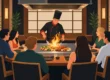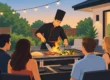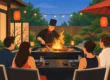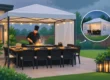

The best backyard parties usually break down in the same place – too much work for the host. A great backyard teppanyaki party setup changes that. Instead of juggling trays, reheating food, and wondering when guests should eat, you bring everyone around the grill and let the action become part of the event.
That is why teppanyaki works so well for birthdays, family dinners, girls’ nights, graduation parties, and milestone celebrations. Guests are not scattered between the patio, kitchen, and buffet table. They are gathered in one place, watching dinner happen live, choosing their proteins, laughing at the chef’s performance, and actually feeling like they came to something special.
What makes a backyard teppanyaki party setup work
A good setup is less about decorating every corner of your yard and more about making the flow easy. The chef needs enough room to cook safely and comfortably. Your guests need seats with a clear view. You need a layout that keeps the energy up without turning the backyard into a traffic jam.
For most parties, the sweet spot is a flat outdoor area with enough room for the grill, chef working space, and guest seating directly in front. If your yard has a patio, deck, or level paved section, that is usually the easiest option. Grass can work too, but uneven ground makes tables and chairs less stable, and that matters when people are eating around a live cooking station.
Think of the setup in three zones. First is the cooking area, where the chef and grill stay the focus. Second is the guest seating area, which should feel close enough for the performance to be part of the meal. Third is the social overflow area, where guests who are waiting, mingling, or finishing drinks can stand and chat without crowding the cooking space.
Space requirements for a backyard teppanyaki party setup
One of the first questions hosts ask is simple: how much room do I actually need? The answer depends on guest count, seating style, and whether you are planning a single chef station or a larger event with buffet-style support. For a standard private hibachi experience, you want enough room for one grill table setup plus chairs around it and clearance for the chef to move safely.
If you are hosting 12 to 20 guests, the layout is usually very manageable in a typical suburban backyard. Once you move into larger groups, the setup starts needing more intentional planning. You may need multiple seating clusters, extra space for service, and a clear path between the house and the yard for any prep or guest movement.
It also helps to think beyond square footage. Access matters just as much as open space. If the path to the yard is narrow, steep, or blocked by furniture, setup can take longer. Gates, stairs, and tight corners are all worth checking before party day. The easier the access, the smoother the event starts.
Seating, sight lines, and guest comfort
The whole point of teppanyaki is that dinner is not hidden in a kitchen. People want to watch. That means your seating should support the experience, not fight it.
Try to arrange guests in a clear semi-circle or direct table format facing the grill. If some guests are seated too far off to the side, they may miss the interaction and feel less included. This matters even more for birthdays and celebrations where the guest of honor should have a prime seat near the center of the action.
Comfort matters too. Backyard parties sound casual, but people still notice when chairs wobble, the sun is hitting their eyes, or there is nowhere to place a drink. If your party is in the afternoon, look at where the sun will be during service. Evening parties are often easier because the temperature drops and the chef performance stands out more once the yard lighting kicks in.
For kids, it depends on the event. If the children are part of the hibachi table experience, seat them where they can see but still stay safely back from the cooking surface. For mixed-age parties, some hosts prefer to keep younger kids nearby but not directly in the main seating area, especially if adults want a more relaxed dinner pace.
Weather planning is part of the setup
A backyard event always comes with one question: what if the weather changes? You do not need to panic over every forecast update, but you do need a backup plan.
Light wind, cooler temperatures, or a cloudy evening usually do not ruin the experience. In fact, many hosts prefer slightly cooler weather for outdoor hibachi because guests are more comfortable sitting around a hot grill. Heavy rain, strong wind, or storm conditions are different. If there is any chance your event could need coverage, think ahead about tents, covered patios, or alternate placement on the property.
The key is not to overcomplicate it. You do not need to create a wedding-level weather strategy for a private dinner party. You just want enough flexibility that a minor change in conditions does not throw off the whole event.
Timing your party the right way
One of the easiest mistakes is inviting everyone too early. If guests arrive an hour before anything happens, the energy can dip fast. Teppanyaki works best when there is a short social window before the chef performance starts, not a long lull.
For most backyard parties, inviting guests 20 to 30 minutes before scheduled cook time works well. That gives people enough time to settle in, grab a drink, say hello, and get seated without making the night feel slow. If you are celebrating a birthday or milestone, this timing also helps you move naturally into cake, speeches, or photos afterward.
Weeknight events can be especially strong for this format because they feel exciting without requiring a huge production. A weekday backyard teppanyaki party setup is often easier for hosts who want something memorable but still simple to organize.
Menu planning without making it complicated
The best menu is usually the one that gives guests choices without turning the order process into a project. That is why package-style hibachi service works so well for private parties. Guests get the staples they expect, like salad, vegetables, and fried rice, then choose from protein options that fit the group.
If you know your crowd includes picky eaters, children, or guests with dietary preferences, handle those details before the event day. It keeps the chef’s flow cleaner and helps guests feel taken care of. The same goes for premium add-ons. They can absolutely elevate the party, but only if they fit your budget and your group’s expectations.
For larger events, buffet-style service can make more sense than trying to make every seat part of the full chef-table experience. That does not mean the party loses its energy. It just means the format shifts based on group size and how interactive you want dinner to be.
What hosts should handle before the chef arrives
A mobile hibachi event is convenient, but convenient does not mean zero prep. Hosts still play a role in making the setup smooth.
Before arrival, clear the cooking area, confirm seating, and make sure guests know where to gather. If you are serving drinks, set that station off to the side so people are not crossing in front of the grill all night. If music is part of the vibe, keep it present but low enough that guests can hear the chef and enjoy the show.
Lighting is another small detail that makes a big difference. If your event runs into the evening, patio lights, string lights, or basic yard lighting help the party feel finished and welcoming. It does not need to be elaborate. It just needs to feel intentional.
And if you are wondering whether you need heavy decor, usually no. Teppanyaki already gives you the visual centerpiece. A clean table setup, coordinated drinks, and a few celebratory touches are often more than enough.
Why this setup is easier than traditional catering
A lot of hosts start by comparing private hibachi to trays of catered food, a restaurant reservation, or grilling themselves. Each option can work, but they create very different kinds of events.
Traditional catering is practical, but it can feel passive. Restaurant dinners are fun, but they come with travel, wait times, split checks, and less privacy. Doing the cooking yourself may save money, but then you miss the party. A backyard teppanyaki party setup sits in a strong middle ground. It feels elevated and entertaining, but it still happens at home, on your schedule, with your guest list.
That is the real value for busy hosts. You get the energy of a night out without the logistics of getting everyone out the door. You get a chef-led experience without building the event around a complicated catering plan. For a lot of groups, that trade-off is exactly what makes booking feel worth it.
If you want the night to feel fun from the first sizzle to the last photo, your setup does not need to be fancy. It just needs enough space, a smart layout, and a service style built for real people hosting at home – which is exactly why so many backyard celebrations work best when the chef comes to you.