Planning dinner for 15, 25, or even 50 guests can get complicated fast. A good guide to large group hibachi helps you skip the usual catering headaches and choose an option that feels organized, interactive, and actually fun for the host too. When the chef comes to you, cooks on-site, and keeps guests engaged, dinner becomes part of the party instead of one more task to manage.
Why large group hibachi works so well for parties
Traditional catering often solves one problem while creating another. You get food handled, but the event can still feel flat. Guests line up, eat, and split into smaller conversations. Large group hibachi changes that dynamic because the meal is live, social, and paced around the group.
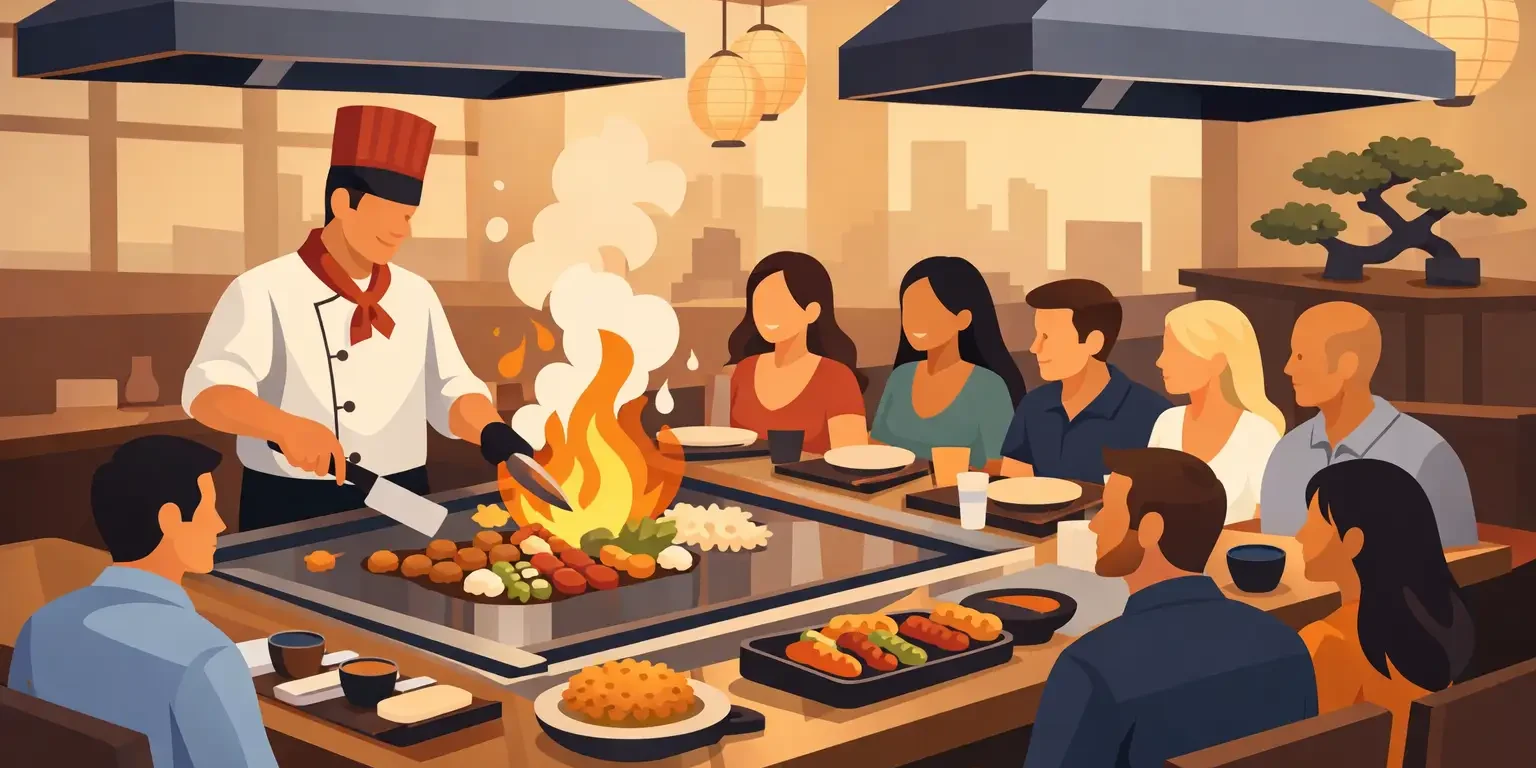
That matters more than people expect. For birthdays, family gatherings, backyard parties, graduation dinners, and ladies’ nights, you usually want more than full plates. You want a shared moment. Hibachi naturally creates one because people gather around the grill, react to the chef, compare orders, and stay engaged while dinner is being prepared right in front of them.
It also helps hosts who do not want a full restaurant outing. Coordinating reservations for a big group is tough. Splitting checks is annoying. Transportation adds another layer. Bringing the experience home keeps the party in one place and makes the event feel more personal.
A practical guide to large group hibachi planning
The biggest reason people hesitate before booking is simple: they are not sure how the logistics work. The good news is that large group hibachi is usually much easier to plan than a traditional catered event, as long as you ask the right questions early.
Start with your headcount. This affects pricing, chef scheduling, setup style, and whether a standard hibachi package or a buffet-style option makes more sense. Smaller large groups might work well with one grilling station and a seated format. Bigger events may need multiple chefs, staggered seating, or a buffet setup to keep service moving.
Next, think about the type of party you are hosting. A birthday in the backyard feels different from a multigenerational family reunion. If your guests want the full chef-performance experience, seating everyone around the grill is part of the appeal. If you are hosting a drop-in style party with lots of mingling, a buffet or rotating serving plan may be the better fit.
Then consider timing. Hibachi is dinner and entertainment, which is a big advantage, but it does mean your schedule should leave room for both. If you want speeches, cake, games, or gifts, map those around the chef’s arrival and service window so the night flows instead of feeling crowded.
Guest count, space, and seating
This is where many hosts overthink things. You do not need a massive property to host a successful hibachi party, but you do need a realistic plan for where the chef will cook and where guests will sit.
For large group hibachi, backyard setups are especially popular because they give you flexibility with tables, airflow, and guest movement. Patios, driveways, and open outdoor areas often work well too. The key is having enough room for the grill station, safe clearance around the cooking area, and comfortable seating for your group.
Seating style matters more than matching chairs or fancy decor. Guests mainly want to see the action, enjoy their meal, and stay comfortable. For some events, one long table creates the best energy. For others, several grouped tables make more sense, especially when guest counts go beyond what one grill can serve at once.
If your group is large enough that not everyone can be served in one round, that is not automatically a problem. It just needs to be planned well. Some hosts schedule appetizers and drinks while one group eats first. Others choose buffet-style service for speed. The right setup depends on whether your priority is chef interaction, fast serving, or a mix of both.
What to expect from the menu
One reason hibachi works so well for groups is that the menu is usually straightforward. Guests know what they are getting, but they still get some choice. That balance is helpful when you are feeding a crowd.
Most hibachi packages include the core favorites people expect: salad, vegetables, fried rice, and a choice of proteins. That structure keeps planning simple while still letting guests personalize their meal. Chicken, steak, shrimp, salmon, tofu, or combination orders give enough variety without turning the event into a complicated custom-catering project.
For large groups, it helps to gather meal selections ahead of time when possible. That keeps service cleaner and reduces confusion once the chef begins cooking. If your guest list includes kids, picky eaters, or guests with dietary restrictions, ask about child pricing and substitutions early. A good provider will explain what can be customized and what should stay standardized to keep the event running smoothly.
Add-ons can also make sense, but only if they match the occasion. Extra proteins, noodles, appetizers, or upgraded options can elevate the party, though they also change the final cost. If you are trying to stay on budget, focus first on getting the base package right. Guests usually remember the experience and the energy of the meal more than an overloaded menu.
Understanding pricing for a large hibachi party
Price is one of the first questions every host asks, and it should be. For large group hibachi, pricing is often easier to understand than traditional catering because it is commonly built around a per-person package.
That package-style model helps because you can estimate your event total quickly. You are not trying to piece together separate charges for staffing, trays, rentals, and service in a confusing quote. You can usually see the base rate, any group minimums, and which upgrades cost extra.
Still, total cost depends on a few variables. Guest count is the biggest one, but menu selections, location, add-ons, and the style of service can all affect the number. Larger groups may qualify for specific pricing structures or buffet options, while weekday parties sometimes come with promotional value compared with peak weekend dates.
If you are comparing options, do not just ask which one is cheapest. Ask what is included. A clear package with chef entertainment, on-site cooking, standard sides, and straightforward setup often gives better value than catering that looks cheaper at first but requires more coordination from the host.
Questions to ask before you book
A strong guide to large group hibachi should make booking feel easier, not more confusing. Before you commit, make sure you understand the setup requirements, the guest minimum, and the flow of service.
Ask how much space the chef needs and whether outdoor setup is preferred. Confirm what is included in the package versus what the host needs to provide, such as tables, chairs, or access to the event area. Ask how meal selections are handled and whether final guest counts are due by a certain date.
It is also smart to ask what happens if the weather changes. Backyard hibachi parties are a great fit for large groups, but rain plans matter. A covered patio, garage-style setup, tented area, or alternate date can make a big difference if the forecast shifts.
Finally, ask about service area and travel before you get too far into planning. If you are hosting in New Jersey or nearby markets, a company like Parties by Feng may already have a process built for at-home hibachi events, which makes the whole experience simpler from the start.
How to make the event feel smooth for guests
The best hibachi parties do not feel overproduced. They feel easy. Guests arrive, grab a drink, settle in, and the experience unfolds naturally.
You can help that happen with a few smart moves. Send guests the start time that reflects when you actually want them to arrive, not just when cooking begins. Have seating ready before the chef starts setup. If you are collecting meal preferences in advance, keep that list organized so there is no confusion at service time.
It also helps to treat hibachi as the main event instead of trying to stack too many activities on top of it. You do not need a packed agenda when dinner itself is interactive. A simple setup with music, drinks, and a comfortable gathering space usually creates the best atmosphere.
If children are attending, think about where they will sit and how long they are likely to stay engaged. If older relatives are coming, make access and seating comfortable. Large group hosting is rarely about perfection. It is about creating a setup where different guests can enjoy themselves without the host constantly troubleshooting.
Large group hibachi works best when it feels like a celebration, not a production. Keep the plan clear, ask the practical questions early, and choose a format that fits your space and your crowd. When the food, entertainment, and setup all come together in one place, hosting gets a whole lot easier and the party gets a lot more memorable.