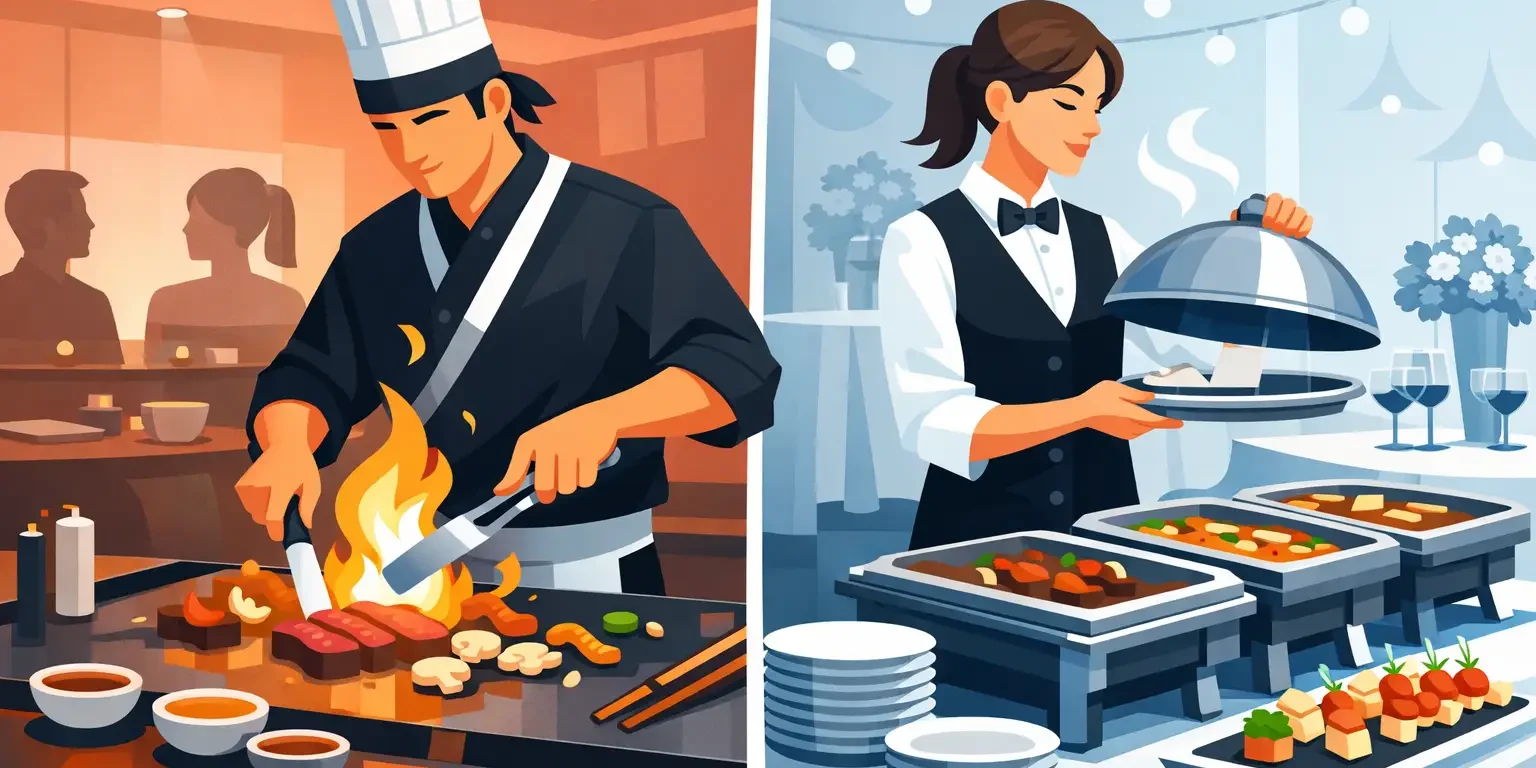
A birthday dinner for 18 can go two very different ways. With a drop-off buffet, guests arrive, fill a plate, and make their own conversation. With a teppanyaki chef or traditional catering decision, you are really choosing the energy of the whole event: food that supports the party or food that becomes part of it.
For backyard birthdays, family reunions, graduation parties, ladies’ nights, and milestone celebrations, there is no one-size-fits-all answer. Traditional catering can be a smart fit for some events. But if you want guests gathered around the action, choosing their proteins, laughing at the chef’s performance, and talking about the party long after dessert, mobile hibachi offers something a standard buffet cannot.
Teppanyaki Chef or Traditional Catering: What Changes?
The biggest difference is not just what is on the menu. It is how the meal happens.
Traditional catering is built around service and convenience. Food may arrive ready to serve, be set up as a buffet, or be plated by staff. It works well when guests will be moving around, arriving at different times, or focused on another main activity such as a corporate presentation, wedding reception, or open-house-style gathering.
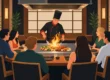
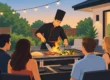
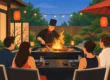
A private teppanyaki chef brings the grill to your home or event location and cooks live in front of your group. Guests sit together, watch the meal come together, and enjoy a restaurant-style hibachi experience without having to reserve a private room or coordinate transportation. Fried rice, vegetables, and proteins are prepared right at the grill, so dinner feels like a show instead of a scheduled interruption.
That changes the host’s job, too. Rather than checking chafing dishes, wondering whether food is still hot, or trying to get everyone through a buffet line, you can spend more time with your guests while the chef leads the dining portion of the party.
When Traditional Catering Is the Better Fit
Traditional catering deserves a place in the conversation. It is often the practical choice when the group is very large, the schedule is loose, or guests need maximum freedom to eat whenever they arrive.
A buffet can also make sense for a formal event where the food should stay in the background. If you are serving a broad mix of appetizers, entrées, desserts, and dietary-specific dishes across several hours, traditional catering gives people plenty of options without gathering everyone at one table.
It may be a better fit if your venue has no outdoor space or safe cooking area, if the event has a tight agenda, or if the guest count is far beyond the range of a single chef setup. In those cases, the goal is volume and flexibility rather than a shared dinner experience.
Still, hosts should look closely at what “easy” means. Drop-off catering may seem simple at first, but someone still needs to receive the order, find table space, set out utensils, manage drinks, keep food presentable, and handle cleanup. Full-service catering can take those tasks off your plate, but it may come with staffing fees, rentals, service charges, and a more complicated planning process.
Why a Mobile Teppanyaki Chef Feels Like an Event
A hibachi dinner gives your party a natural center. Before the grill starts, guests mingle. Once the chef begins cooking, everyone has a reason to gather, interact, take photos, and enjoy the same moment together. It is especially helpful for groups where not everyone knows each other yet.
The live format also makes a home celebration feel more special without turning it into a formal production. You do not need to decorate an entire banquet room or plan a separate entertainer to create a memorable night. The cooking, chef interaction, and fresh meal all happen in one place.
For hosts, that value matters. A mobile hibachi experience combines dinner and entertainment in a single booking. Instead of paying for catered food and then looking for something to keep the group engaged, the chef performance helps carry the party while guests eat.
At Parties by Feng, chefs bring the grill and prepare the meal on-site, making backyard gatherings feel lively while keeping the logistics straightforward. It is a strong match for groups that want a restaurant experience but would rather celebrate at home.
Compare the Real Costs, Not Just the Menu Price
When comparing a teppanyaki chef with traditional catering, avoid looking only at the per-person entrée price. A buffet price can look lower until you add delivery, setup, serving pieces, disposable supplies, taxes, gratuity, rentals, or staff.
A hibachi package is often easier to understand because the meal is structured around each guest. Typical packages include the essentials guests expect from hibachi, such as salad, vegetables, fried rice, and selected proteins, with options to customize the experience through upgrades or add-ons. That makes it easier to estimate the total before booking.
Traditional catering can be less expensive when your priority is simply feeding a large crowd. But if you were already considering entertainment, a restaurant outing, or multiple vendors for the same celebration, a private chef experience may deliver more value per dollar.
Ask both types of providers what is included. Confirm the guest minimum, service time, travel or delivery charges, gratuity policy, dietary accommodations, cleanup expectations, and whether tables, chairs, plates, or serving equipment are included. Clear answers prevent the surprise costs that can turn a “budget-friendly” option into a bigger bill.
Menu Flexibility for Different Guests
Traditional catering can offer a wide menu, especially for events with several courses or many dietary needs. If you need breakfast items, passed appetizers, a carving station, desserts, and a late-night snack all at the same event, a larger caterer may have the broader format.
Teppanyaki works best when your group likes the familiar favorites of a hibachi meal and appreciates having protein choices. Chicken, steak, shrimp, salmon, and vegetarian-friendly selections can give guests a personalized plate while everyone still shares the same experience. Children usually enjoy the show as much as the food, and child pricing can make family parties easier to plan.
The key is to ask about allergies and dietary requests before you book. Because hibachi is cooked on a shared grill, cross-contact may be a concern for severe allergies. A professional provider can explain the available options, but hosts should always communicate needs early rather than assuming every request can be handled on-site.
Setup: What Your Home or Venue Needs
A mobile teppanyaki party is convenient, but it does need the right space. Most backyard setups need a flat, accessible outdoor area where the chef can safely place the grill and where guests can sit comfortably around it. A driveway, patio, deck with appropriate space, or covered outdoor area may work depending on the layout and local conditions.
Before booking, think through access from the street, lighting for an evening party, seating, weather backup plans, and how many guests you want at each grill. Send photos of your space if the provider requests them. That small step can prevent day-of confusion and help the team recommend the best setup.
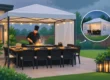
Traditional catering usually needs less active cooking space, but it still requires a buffet table, serving area, and a plan for trash and leftovers. Neither option is completely hands-off, yet a live chef service can reduce the number of moving parts you need to manage during dinner.
Choose Based on the Memory You Want to Create
If your event needs flexible grazing, a formal tone, or food for a very large crowd over several hours, traditional catering may be the right call. It is reliable, familiar, and adaptable.
If your goal is to make your guests say, “That was such a fun party,” a teppanyaki chef is often the better choice. It gives the group a shared experience, serves a hot made-to-order meal, and lets you host without sending everyone out to a crowded restaurant.
Start with the feeling you want when your guests arrive. If you want the backyard full of conversation, camera-ready moments, and the sound of fried rice hitting the grill, plan the party around the experience, not just the food.