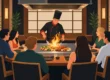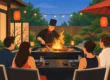

The best birthday parties usually come down to one thing: nobody wants to spend the whole night managing them. If you’re searching for how to plan teppanyaki birthday celebrations at home, you’re probably looking for something more exciting than takeout and a lot easier than cooking for a crowd. That is exactly why mobile hibachi works so well. You get dinner, entertainment, and a built-in party moment without turning your kitchen into the event.
A teppanyaki birthday feels special because it is active. Guests are not waiting around for food trays to open or making awkward small talk in separate corners of the yard. They gather around the grill, watch the chef cook live, laugh through the performance, and get a fresh meal made to order. For hosts, that combination matters. It keeps the energy up while cutting down on the usual party stress.
How to plan a teppanyaki birthday without overcomplicating it
The easiest way to plan this kind of party is to start with the experience first, then build the details around it. That means deciding how many guests you realistically want, where the grill setup will go, and what kind of vibe you want the birthday to have. A backyard birthday for 15 has very different needs than a 40-person milestone party with kids, grandparents, and neighbors all mixed together.
Guest count matters early because hibachi catering is usually priced and staffed around group size. If you are inviting a smaller core group, a private chef setup can feel exclusive and intimate. If you are inviting a bigger crowd, you may need to think about multiple seating waves, buffet-style options, or a layout that gives everyone a good view without making the event feel crowded. It is always better to build around a confirmed count than an optimistic maybe list.
The second decision is your space. Most at-home teppanyaki birthday parties work best outdoors, especially in a backyard, patio, or open driveway setup where the chef has room to grill safely and guests can sit comfortably around the action. If you have limited outdoor space, that does not automatically rule it out, but it does mean you should plan more carefully around table placement, walking room, and where guests will gather before and after dinner.
Then there is timing. Teppanyaki is dinner and entertainment in one, so the party schedule should reflect that. You do not need a packed itinerary. In fact, too many scheduled activities can compete with the chef experience. Most hosts do better with a simple flow: guests arrive, drinks and mingling start, chef setup begins, the cooking show becomes the main event, and dessert or cake happens after the meal.
Pick the right guest list for the grill experience
One mistake hosts make is inviting people with very different expectations and not thinking through how that changes the pace of the event. A teppanyaki birthday is social and interactive. It is perfect for friends who enjoy dinner as part of the entertainment, family groups who want everyone in one place, and milestone birthdays where the meal itself should feel memorable.
It can be less ideal if you are trying to run a highly formal event or a party where guests are constantly moving between activities. If the birthday person wants everyone focused on the chef show and the shared table energy, keep the guest list tight and intentional. If they want a more open-house style event, ask about buffet options or larger-group formats that can better support that flow.
For kids’ birthdays, it depends on the age group. Older kids and teens usually love the live-cooking aspect, especially when there is some performance involved. For very young kids, a teppanyaki setup can still work, but it helps to balance expectations. Some will be entertained, some will be hungry immediately, and some may just want simple food and room to play. That is where child portions and a flexible menu can make planning much easier.
Menu planning should feel simple, not stressful
One reason hosts love hibachi catering is that the menu is usually straightforward. Guests get the core experience they expect – salad, vegetables, fried rice, and a protein selection – without you having to create a custom dinner plan from scratch. That built-in structure saves a lot of decision fatigue.
The smartest move is to choose a package that covers your group well, then think about customization only where it actually improves the party. For most birthdays, protein variety matters more than adding too many side options. People want to feel like they have a choice, especially in mixed groups where some guests prefer chicken, some want steak or shrimp, and some may need a simpler plate.
If you know your crowd includes picky eaters, kids, or guests with dietary preferences, ask those questions before booking rather than the week of the event. Teppanyaki is flexible, but last-minute menu confusion is one of the easiest ways to create unnecessary stress. A clear headcount and a clear meal plan make the whole night run smoother.
For larger birthday parties, buffet-style service can sometimes make more sense than trying to seat everyone around one focal point at once. The trade-off is simple: you get easier flow for a bigger group, but a slightly less intimate chef-show feeling for each guest. Neither option is wrong. It just depends on whether your priority is a close-up performance or feeding a larger crowd efficiently.
Set up the space like a host, not a venue manager
You do not need a perfect backyard to throw a great teppanyaki birthday. You just need a setup that is comfortable, practical, and easy for guests to understand. The chef needs a clear work area, guests need seating or standing room with a good view, and everyone should be able to move around without crossing directly through the cooking zone.
Think about the party in three areas: the grill space, the guest hangout space, and the cake or gift area. Keeping those zones separate helps the event feel organized without making it look overly staged. If everyone crowds into one spot, even a great party can start to feel cramped.
Lighting matters more than people expect, especially for evening birthdays. Guests want to see the chef in action, take photos, and keep the atmosphere lively after dinner. Music matters too, but it should support the energy, not overpower the grill performance. If your speaker setup is too loud, people miss the fun interaction that makes the experience feel personal.
Weather is the one thing no host can fully control, so have a backup thought through in advance. That might mean a tented outdoor area, a covered patio, or an alternate date if your event setup really depends on open-air space. Hoping for the best is fine. Planning for a backup is better.
Budget for the parts guests actually notice
When people think about birthday budgets, they often spend too much on decorations and not enough on the experience itself. With teppanyaki, the food and chef performance are the centerpiece, so that is where your budget should work hardest. A clean setup, enough seating, and a good menu choice will do more for the party than overdesigned decor ever will.
That does not mean extras are not worth it. Sometimes add-ons make the event feel more tailored, especially for milestone birthdays or hosts who want a fuller dinner-party look. But the best value usually comes from choosing the right guest count, the right package, and the right day. Weekday pricing or special group promotions can make a noticeable difference if your schedule is flexible.
This is also where transparent package pricing helps. A host should be able to understand what is included, what changes based on headcount, and what costs extra. If the pricing feels hard to follow, planning gets harder than it needs to be. That is one reason many hosts book with businesses like Parties by Feng – the format is built to reduce back-and-forth and make the event feel easy to say yes to.
What to confirm before you book
Before you lock anything in, make sure you have answers to the practical questions that affect the event most. What is the guest minimum? How much space does the chef need? Is the setup best for a backyard, driveway, or patio? What is included in the package, and how are kids counted? Those details are not boring. They are what make the difference between a smooth night and a stressful one.
You should also confirm how long the service typically lasts. Some birthday hosts imagine an all-night chef performance when the actual service window is more focused. That is not a bad thing. It just means you should plan your cake, drinks, and after-dinner social time around the meal instead of assuming the dinner service fills the entire party.
If you are hosting a surprise birthday, think through arrival timing carefully. The setup itself is part of the event footprint, so surprises work best when the birthday guest is arriving after the main prep is done or is genuinely the kind of person who would love walking into the whole scene already in motion.
Make the birthday feel personal without adding chaos
The beauty of a teppanyaki birthday is that you do not need much extra to make it memorable. A custom cake, a signature drink, simple decor in the birthday person’s favorite colors, and a playlist that fits the crowd can do plenty. The chef show already gives the party its wow factor.
If you want the night to feel more elevated, focus on details that support the experience. Make seating comfortable. Keep drinks accessible. Leave enough room for photos. Have candles and cake ready to go once dinner wraps. Guests remember when a party feels easy, not when it looks complicated.
The best birthdays are the ones where the host gets to enjoy them too. So if you are figuring out how to plan teppanyaki birthday fun at home, keep your goal simple: great food, a lively setup, and a night where your guests stay engaged without you having to run the show every minute. That is usually the kind of birthday people talk about long after the grill cools down.