The question “do chefs bring tables” comes up for a good reason: a mobile hibachi party is not standard drop-off catering. Your chef arrives to cook live, entertain your guests, and serve a full meal at your home or event space. But the cooking equipment and the seating setup are two different parts of the party plan.
For most in-home hibachi events, the chef brings the grill and the tools needed to cook. Hosts typically provide tables and chairs for their guests. Knowing that before booking helps you choose the right space, avoid last-minute rentals, and make sure everyone has a comfortable seat when the fried rice starts flying.
Do Chefs Bring Tables for Mobile Hibachi?
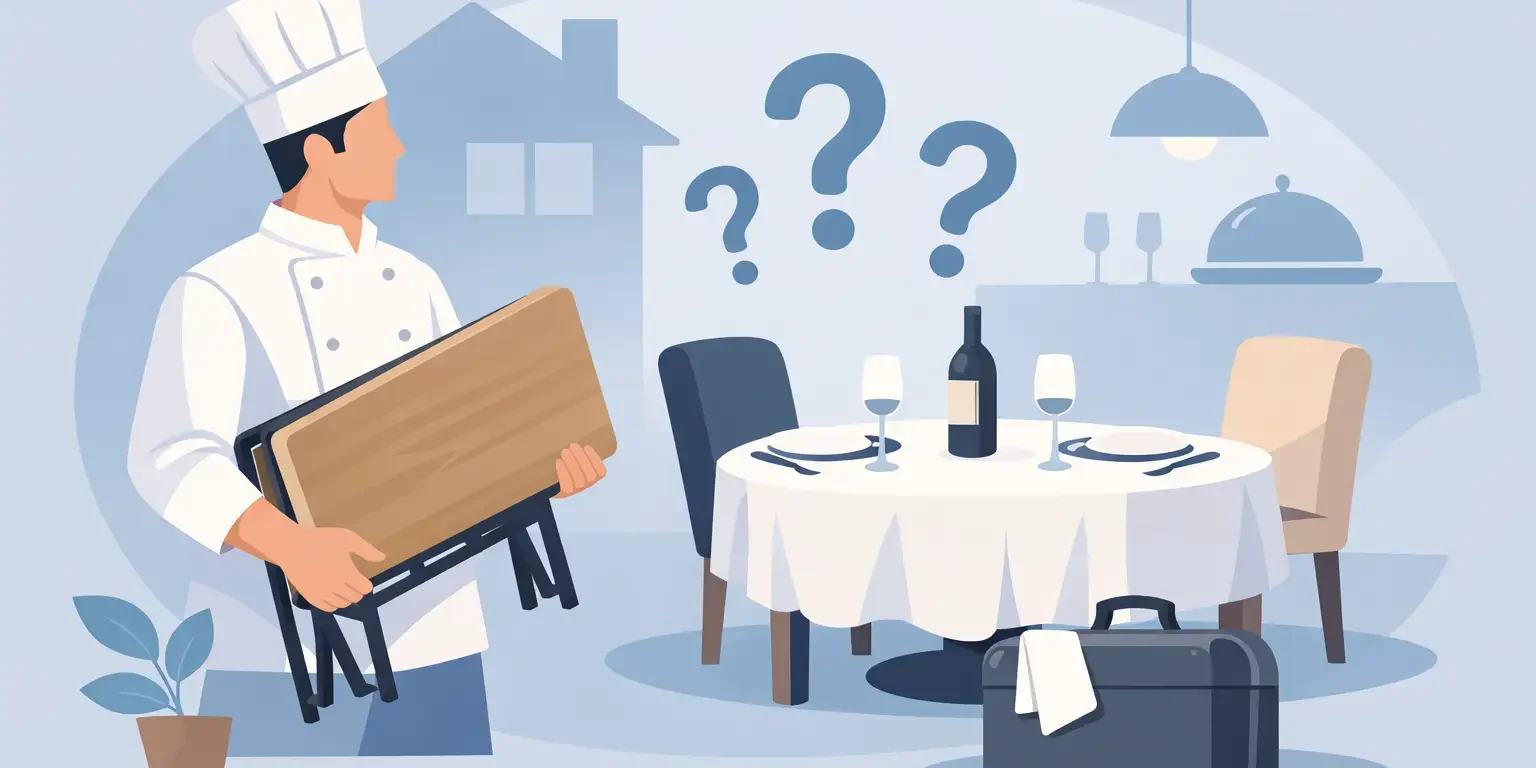
Usually, mobile hibachi chefs bring their own hibachi grill, cooking equipment, ingredients, and service essentials. They do not usually bring dining tables and chairs for every guest unless table and chair rentals are specifically included in the package or arranged as an add-on.
That distinction matters because a chef’s setup is designed for cooking safely and putting on a show. The grill itself creates the restaurant-style experience, but it does not replace the tables where guests sit, eat, set down drinks, and enjoy the party.
At Parties by Feng, the mobile hibachi chef comes to your location with the grill and prepares the meal fresh in front of your group. For seating, plan to use your own patio furniture, folding tables, dining set, or rented event tables. If you are unsure what is included for your date and location, ask before you book rather than assuming every mobile hibachi company handles rentals the same way.
What Your Hibachi Chef Typically Brings
A professional mobile hibachi chef should arrive prepared to handle the cooking portion of the event. That generally includes the hibachi grill, propane or another appropriate fuel source, utensils, ingredients, and the supplies needed to prepare the menu you selected.
Your package may include a meal such as salad, vegetables, fried rice, and your choice of proteins. The chef cooks in front of the group, which means the food arrives hot and the entertainment happens right where your guests are gathered. Onion volcanoes, sizzling proteins, chef banter, and the famous fried-rice toss are part of why people choose hibachi for birthdays, family parties, ladies’ nights, and milestone celebrations.
The exact inclusions can vary by provider and package. Some companies include disposable plates and utensils. Others may ask the host to provide them or offer upgraded place settings. Drinks, desserts, linens, tents, tables, chairs, and decorations are also often separate from the chef service.
The best move is simple: request a clear list of what is included in your specific booking. Clear expectations make the day easier for everyone.
What Hosts Should Plan to Provide
Think of the chef as bringing the hibachi restaurant kitchen to you. The host still provides the dining environment. For a backyard party, that usually means a flat, open area for the grill plus enough seating for the group.
Your guests need a table surface for their plates and drinks. They also need chairs that are comfortable enough for the length of the meal and performance. A casual group may be perfectly happy around patio tables, while a larger celebration may call for rented banquet tables and folding chairs.
You will also want a clear walkway from the driveway or entrance to the cooking area. The chef needs room to bring in equipment, set up safely, and move around the grill. Avoid placing the grill under a low awning, inside an enclosed space, or in a tight area crowded with decorations and furniture.
For evening events, make sure the cooking and dining area has good lighting. For daytime events, shade can make a huge difference during warmer months. An umbrella, canopy, or tent may work for guest comfort, but the grill area needs appropriate clearance and ventilation. Check with your chef before placing the grill beneath any covered structure.
How Much Space Do You Need?
You do not need a huge backyard to host a memorable hibachi party. You do need a workable layout. The cooking station should have a stable, level surface and enough room for the chef to work without guests standing too close to the grill.
Then create a separate dining zone. Guests should be close enough to watch the action and interact with the chef, but not so close that chairs block the work area. This setup keeps the performance fun while giving everyone room to relax.
A group of 12 may fit comfortably around a few patio tables. A group of 30 to 50 or more often benefits from a more intentional layout, such as several six- or eight-foot tables placed near the grill. If your space is limited, consider an open driveway, side yard, clubhouse patio, or another approved outdoor location.
Before confirming your event, take a few photos of the area and measure the available space if possible. Sharing that information with the catering team can help identify potential issues early, especially for larger groups.
Backyard Setup Ideas That Keep Things Easy
For a relaxed birthday or family gathering, use the tables and chairs you already own, then add a few folding tables if needed. Place the grill where the chef has a clear approach and guests can see the cooking show from their seats.
For a more polished celebration, rent matching tables and chairs, add simple linens, and create one beverage station away from the grill. Keeping drinks, cake, gifts, and decorations out of the cooking path gives the chef space to perform and prevents crowding.
If rain or strong sun is a concern, plan ahead instead of waiting for the forecast. A tent can be helpful for guests, but always confirm the proper cooking arrangement. Open-air safety and adequate clearance come first.
When a Table Rental May Be Worth It
Renting tables is not required for every party. It can be a smart choice when your guest count is bigger than your patio furniture can handle, when you want a more coordinated look, or when the event is taking place somewhere without built-in seating.
It is also useful for milestone occasions where you do not want to borrow chairs from neighbors or ask guests to balance dinner on their laps. The cost may be worthwhile because it makes the event feel organized from the moment guests arrive.
There is a trade-off, of course. Rentals add another vendor, delivery window, and pickup deadline to your plan. For a smaller, casual gathering, your own tables may be all you need. For a larger party, rentals can reduce stress and give everyone a better experience.
Questions to Ask Before You Book
A quick conversation before booking can prevent nearly every setup surprise. Ask whether the chef brings the grill, cooking tools, plates, utensils, and serving supplies. Confirm whether tables and chairs are included, available to rent, or entirely the host’s responsibility.
Also ask about the ideal cooking surface, required clearance, access from the street, weather plans, and the recommended layout for your guest count. If your party is at a condo, community space, beach house, park, or rental property, confirm that live cooking and propane equipment are allowed before finalizing the date.
Be honest about your space and your guest list. A good mobile hibachi provider would rather help you adjust the layout ahead of time than arrive to a crowded patio with nowhere safe to set up.
Make the Table Setup Part of the Fun
Tables are not just a logistical detail. They shape how your guests experience the event. A comfortable, well-spaced seating area gives everyone a front-row view of the chef, a place to laugh together, and room to enjoy every course without rushing.
Set out drinks before the chef arrives, keep the grill path clear, and give your group enough seats to settle in. Once the chef fires up the grill, you can stop worrying about dinner and start enjoying the party you planned.